EN
SacRT is moving forward with a major regional investment in cleaner transportation and improved transit infrastructure. The Northern Sacramento and Yolo Zero-Emission Transit Project will expand the use of hydrogen fuel cell electric buses, improve connections between Sacramento and Yolo counties, and modernize facilities needed to support the future of public transportation.
In November 2026, SacRT was selected to receive $57.7 million in funding through the California Transit and Intercity Rail Capital Program (TIRCP) to help advance the project. With additional state and regional funding, the total project investment is approximately $87.6 million.
Project Highlights
Cleaner, Zero-Emission Buses
The project includes the purchase of 21 hydrogen fuel cell electric buses (FCEBs) to support SacRT’s transition to cleaner transportation. These buses will help expand zero-emission service on bus routes 30, 81 and 138, while supporting SacRT’s long-term commitment to transitioning to a fully zero-emission fleet.
Improved Transit Connections and Amenities
Additional project improvements will make transit more convenient and accessible:
- Transit Signal Priority: Cloud-based technology at 30 intersections along bus routes 30 and 81 will help buses move more efficiently through traffic.
- Bicycle Parking: Fourteen new BikeLink smart bike parking spaces will be installed, including 10 at the UC Davis campus and four at the University/65th Street light rail station.
- Heat-Resilient Bus Shelters: Two new shelters will be installed at UC Davis Medical Center along bus routes 137 and 138 to provide riders with improved protection from the heat.
Modernizing the McClellan Bus Maintenance Facility
A major component of the project is the transformation of SacRT’s Bus Maintenance Facility 2 (BMF-2), located at 3701 Dudley Boulevard in McClellan Park, into a modern facility capable of supporting zero-emission bus operations.
Planned improvements include:
- Expanded support areas and facility upgrades.
- Improved ventilation, electrical, heating and hydrogen detection and safety systems.
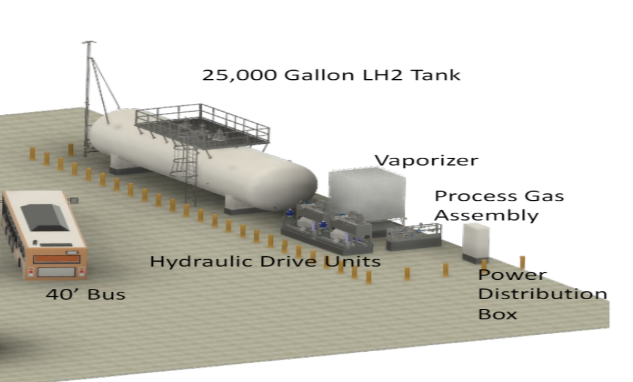
- A hydrogen fueling station with a 25,000-gallon liquid hydrogen storage system, designed to support fueling for up to 100 fuel cell electric buses.
The hydrogen fueling infrastructure will help support SacRT’s growing zero-emission fleet, with the potential to provide fueling access to other public agencies and fleets in the region.
Some elements of the McClellan facility project were previously announced as part of a Federal Transit Administration (FTA) Low or No Emission Vehicle Program (Low-No) grant in November 2025. Following project updates, those federal funds are now being directed toward the purchase of new compressed natural gas (CNG) buses and select upgrades to the existing bus maintenance facility. The hydrogen fuel cell buses and hydrogen fueling station included in this project will be supported through the TIRCP award and other identified funding sources.
Investing in the Future Workforce
The project also includes a partnership with American River College to support workforce development and registered apprenticeship programs. These programs will help prepare, train and place individuals from underrepresented communities into careers maintaining and operating zero-emission transit vehicles and infrastructure.
The Center for Transportation and the Environment (CTE) will provide technical assistance and project management support.
Project Map

Project Partners
This regional effort brings together public agencies, educational institutions and industry partners, including SacRT, Yolo County Transportation District, Caltrans, Sacramento Area Council of Governments, City of Sacramento, City of Elk Grove, Sacramento County, UC Davis, UC Davis Health, American River College, the Center for Transportation and the Environment, and other project partners.
Project Funding
The total project cost is approximately $87.6 million, supported by a combination of state, regional and local funding sources.
$57.7 million – California Transit and Intercity Rail Capital Program (TIRCP)
$10 million – Senate Bill 125 Zero-Emission Transit Capital Program
$6.5 million – California Clean Truck and Bus Voucher Incentive Project
$6.4 million – SACOG State Transportation Improvement Program
$3.9 million – California Energy Commission EnergIIZE Transit Set-Aside
$3 million – Sacramento Metropolitan Air District Low Emission Vehicle and Infrastructure Program
Project Timeline

Project implementation is expected to continue through 2030. Construction, vehicle procurement and service improvements will be advanced in phases as project components are developed.
Project Renderings of New Bus Facility